Business Listings: Unlocking the Power of Information
Introduction
In today’s digital age, where information is power, business listings have emerged as a critical component of global economic and commercial ecosystems. A business listing, in its essence, is a comprehensive representation of an enterprise, providing essential details that enable customers, partners, and stakeholders to identify, connect, and engage with businesses worldwide. This article delves into the intricate world of business listings, exploring their significance, evolution, and profound impact on various aspects of our modern economy. By the end, readers will grasp the multifaceted nature of this vital tool and its potential to shape business interactions in the future.
Understanding Business Listings: Unraveling the Basics
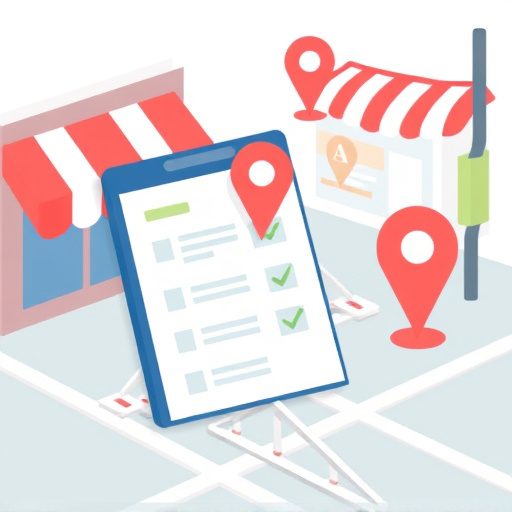
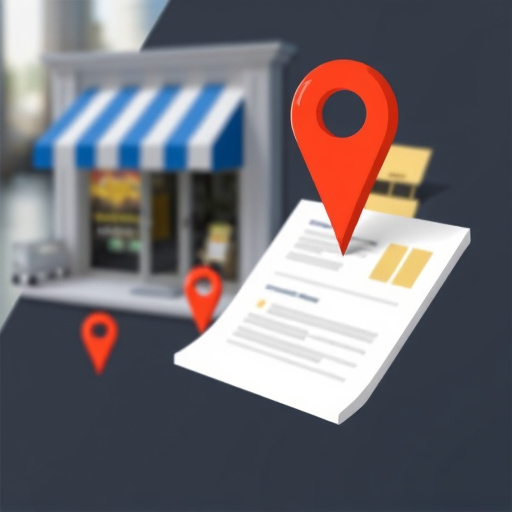
A business listing, simply put, is a structured piece of data that contains critical information about an organization or enterprise. It serves as a digital or physical directory entry, typically including details such as company name, address, contact information, operating hours, services offered, and sometimes even customer reviews. However, modern business listings have evolved far beyond basic directories; they are now dynamic online profiles that can include rich media, interactive elements, and detailed business descriptions.
Historically, business listings have taken various forms: from ancient stone inscriptions to printed yellow pages and, more recently, digital platforms and mobile apps. Their primary purpose has always been to facilitate networking, commerce, and communication between businesses and their target audiences. In the early days, these listings were often confined to local or regional publications, but with the advent of the internet, they have transcended geographical boundaries, allowing businesses to reach global audiences.
Core Components:
Business Name: The primary identifier, ensuring clarity and brand recognition.
Contact Information: Includes phone numbers, email addresses, physical addresses, and sometimes social media handles.
Operating Hours: Details when the business is open, closed, or has varying hours for different days of the week.
Services/Products: A description of what the business offers, whether goods or services.
Additional Details: May include company history, mission statement, awards, certifications, and other relevant information.
Location Tags: Helps in geotagging and mapping, making it easier for customers to find nearby businesses.
Customer Reviews/Feedback: Provides insights into customer experiences, enhancing transparency and trust.
Global Impact and Trends: A Connected World
The impact of business listings is not confined to a single region; it has become a global phenomenon, connecting businesses across continents and fostering international trade and collaboration. This interconnectedness is driven by several key trends:
Digitalization: The digital revolution has transformed how we access information, with online business directories and search engines becoming the go-to resources for customers seeking local or specialized services.
Mobile Access: With smartphone penetration rates soaring worldwide, mobile apps and responsive web design have made business listings accessible on-the-go, allowing users to discover and connect with businesses instantly.
Local Search Optimization (LSO): Businesses now understand the value of appearing in local search results, leading to a surge in claims for Google Business Profiles and other local listing platforms, ensuring they show up when customers search for nearby services.
International Expansion: Many multinational corporations and small businesses alike are leveraging business listings to expand their reach into new markets, facilitating cross-border transactions and partnerships.
Regional Differences:
North America: Known for its robust online directories, the United States and Canada have seen a rise in location-based search engines and voice assistants, influencing how business listings are optimized.
Europe: With a diverse landscape of languages and regulations, European business listings often require compliance with various local data protection laws and specific industry standards.
Asia Pacific: This region is witnessing rapid digital transformation, with mobile apps becoming the primary way consumers interact with business listings, leading to innovative features like real-time reviews and location-based recommendations.
Latin America: Business listings in this region are evolving with increasing internet penetration, particularly among younger demographics, driving the need for multilingual and culturally relevant content.
Economic Considerations: Market Dynamics and Impact
Business listings play a pivotal role in economic systems, influencing market dynamics and shaping consumer behavior. Here’s how:
Market Visibility: Well-optimized business listings increase a company’s visibility, making it easier for potential customers to discover and consider their products or services.
Customer Acquisition: Listings act as a magnet for customers, providing them with essential information at their fingertips, leading to higher conversion rates and increased sales.
Competitive Advantage: Businesses can differentiate themselves by showcasing unique selling points in their listings, gaining an edge over competitors.
Investment Opportunities: Investors often use online directories to identify potential ventures, making accurate and up-to-date business listings crucial for attracting investment and funding.
Economic Growth: By facilitating easier connections between businesses and consumers, effective business listings contribute to local and national economic growth, supporting small businesses and fostering innovation.
Technological Advancements: Driving Innovation
Technology has been a significant catalyst for the evolution of business listings, opening up new possibilities and enhancing user experiences. Notable advancements include:
Google Business Profiles (GBP): Google’s flagship business listing platform offers a suite of features like posting updates, managing reviews, and integrating with Google Maps, providing businesses with a powerful online presence.
Social Media Integration: Many business listings now include social media profiles, allowing users to interact directly through platforms like Facebook, Instagram, or Twitter, fostering a sense of community and engagement.
Location-Based Services (LBS): With GPS technology, users can discover nearby businesses based on their location, making it ideal for travel, dining, and retail industries.
Voice Assistants: Virtual assistants like Siri, Alexa, and Google Assistant have made voice search a popular method for finding local businesses, prompting listings to optimize for natural language queries.
Augmented Reality (AR): AR technology can overlay business information onto real-world environments, providing users with an immersive experience when searching for locations.
Policy and Regulation: Navigating Legal Waters
The digital nature of business listings has led to the development of various policies and regulations aimed at protecting user data, ensuring competition, and maintaining consumer privacy. Key considerations include:
Data Privacy Laws: Regulations like GDPR in Europe and CCPA in California require businesses to obtain consent for data collection and usage, impacting how personal information is handled in online listings.
Anti-Monopoly/Competition Laws: Authorities worldwide monitor business listings for potential anti-competitive practices, ensuring fair market conditions for all participants.
Industry-Specific Regulations: Certain industries, such as healthcare and finance, have specific listing requirements to maintain transparency and compliance with regulatory standards.
Local Compliance: Businesses must adhere to local laws and guidelines when creating or updating listings, which can vary significantly across regions.
Challenges and Criticisms: Overcoming Barriers
Despite their immense benefits, business listings face several challenges and criticisms that need addressing for them to reach their full potential:
Data Inconsistencies: Accurate and up-to-date information is crucial; however, listing platforms struggle with data inconsistencies, including incorrect contact details, operating hours, or outdated product offerings.
Bias and Competition: Online directories may exhibit bias towards larger businesses, making it harder for small enterprises to gain visibility, which calls for fairer ranking algorithms.
Privacy Concerns: With vast amounts of business and consumer data being collected, ensuring user privacy and securing against data breaches are critical challenges.
Mobile Optimization: As mobile usage continues to grow, listing platforms must ensure their content is optimized for various devices and screen sizes to provide seamless user experiences.
Solutions and Strategies:
Implement robust data validation processes and incentivize businesses to keep their listings updated.
Develop algorithms that promote diverse business visibility, considering factors like local relevance and customer reviews.
Enhance data security measures and be transparent about data collection practices to build user trust.
Prioritize mobile responsiveness to cater to the diverse needs of users on different devices.
Case Studies: Real-World Success Stories
1. Local Business Discovery in Urban Areas:
In densely populated cities, a well-designed business listing platform can revolutionize how locals discover and engage with businesses. For instance, a startup in New York City developed an app that utilized real-time location data to suggest nearby restaurants, cafes, and attractions based on users’ preferences and reviews from fellow patrons. This innovative approach not only enhanced the user experience but also boosted local business visibility, leading to increased foot traffic and revenue for participating establishments.
2. E-commerce Expansion for Small Businesses:
A small artisan business in Australia struggled to gain a foothold in the competitive online market until it optimized its Google Business Profile with high-quality product images, detailed descriptions, and customer reviews. This enhanced listing helped the business rank higher in local search results and increased sales significantly, demonstrating how effective listings can level the playing field for small businesses in e-commerce.
3. International Market Entry:
A global fashion brand looking to expand into Europe found that having consistent, optimized business listings across various online directories was crucial for success. By ensuring their listing details, including language preferences and currency conversions, were accurate and localized, the brand experienced smoother market entry, better customer engagement, and increased sales across new frontiers.
Future Prospects: Emerging Trends and Growth Areas
The future of business listings is brimming with potential, driven by technological advancements and evolving consumer behaviors. Here’s a glimpse into what lies ahead:
AI-Powered Personalization: Artificial Intelligence will play a significant role in customizing listing experiences, offering personalized recommendations based on user preferences, search history, and location.
Integrated Social and Review Systems: As social media continues to dominate, business listings may integrate customer reviews directly into social platforms, encouraging more authentic interactions and feedback.
Voice Search Optimization: With voice assistants becoming ubiquitous, optimizing listings for natural language queries will be essential to capture the growing voice search market share.
Geospatial Analytics: Advanced geospatial technologies will enable businesses to analyze customer patterns and preferences at a granular level, leading to more targeted marketing strategies.
Augmented Reality Showrooms: AR technology will allow customers to virtually explore products or services, revolutionizing retail and service industries.
Conclusion: Navigating the Evolving Landscape
Business listings have come a long way since their inception, evolving from simple directories to dynamic digital platforms that shape our commercial interactions. They are no longer just tools for business promotion; they are powerful gateways to global markets, enabling businesses to connect, compete, and collaborate on an international scale. As technology advances and consumer behaviors shift, the role of business listings will only become more pivotal in driving economic growth, fostering innovation, and enhancing customer experiences.
FAQ: Answering Common Queries
Q: Why are accurate business listings important?
A: Accurate listings ensure that customers find the right businesses for their needs, leading to better decision-making and increased satisfaction. They also help businesses reach their target audience, improving marketing efficiency.
Q: How do I update my business listing across multiple platforms?
A: Many online directories offer bulk updating tools or APIs (Application Programming Interfaces) that allow businesses to manage their listings on multiple platforms simultaneously, saving time and effort.
Q: Can business listings really impact a small business’s success?
A: Absolutely! Effective business listings can level the playing field for small businesses by providing them with a powerful online presence, reaching potential customers they might not have accessed through traditional marketing channels.
Q: What is the best way to optimize my listing for search engines?
A: Optimize your listing by ensuring all details are accurate and complete, including relevant keywords in your business name, description, and categories. Encourage satisfied customers to leave reviews, as they significantly impact local search rankings.
Reviewly Local Search is a tool to enhance business visibility and local SEO by centralizing and optimizing listings across platforms. By ensuring accurate info, using relevant keywords, and regularly updating listings, businesses can attract mo…….
Reviewly Local Search is a service enhancing business visibility for SMEs by simplifying listing management across various review platforms. Its intuitive platform and regular database updates ensure accurate, up-to-date contact details, opening…….
Reviewly Local Search is a powerful tool for businesses aiming to excel in their local market, providing insights into competitors, customer preferences, and industry trends through user-generated reviews. It helps companies make data-driven dec…….
Reviewly Local Search is a digital age strategy for local businesses to boost online visibility and attract nearby customers. By optimizing for this platform, businesses can appear in relevant local search results, drive foot traffic, and enhanc…….
Reviewly Local Search is a comprehensive platform offering detailed business listings across diverse sectors, empowering users to discover local services and businesses effortlessly. Businesses can leverage these listings to reach nearby clients…….
Reviewly Local Search is a powerful platform that transforms local business discovery by prioritizing user experience and direct access to nearby companies. By leveraging advanced algorithms and user-generated content, it delivers tailored listi…….
Reviewly Local Search is a powerful tool for local businesses aiming to boost online visibility, attract customers, and build trust through authentic reviews on platforms like Google Maps and Yelp. By optimizing listings with engaging descriptio…….
Reviewly Local Search is a powerful tool for businesses aiming to boost online visibility and connect with nearby customers in today's digital landscape. By optimizing listings, building trust through reviews, and leveraging geotagging, bus…….
Reviewly Local Search is a digital tool that helps businesses attract local customers by boosting online visibility through customer reviews and ratings. It offers a comprehensive platform for viewing business listings, driving foot traffic, and…….
Business listings on Reviewly Local Search are a powerful tool for boosting local visibility and attracting customers. By claiming and optimizing your listing, you ensure accurate search results and enhance your online presence. Reviewly's…….
Reviewly Local Search is a powerful platform that helps businesses elevate their local online presence. By optimizing listings with accurate NAP details, relevant keywords, and unique selling points, companies can secure top search rankings, dri…….
Reviewly Local Search is a user-friendly platform that simplifies local business discovery by integrating advanced algorithms with user reviews for accurate, up-to-date listings within a specified area. Customers can search by category, filter r…….
Reviewly Local Search is a powerful tool that seamlessly integrates user-generated reviews into local search results, boosting online visibility for businesses. By optimizing listings with accurate details and leveraging positive reviews, busine…….
In today's digital age, Business Listings are crucial for local companies seeking to enhance their online visibility and attract customers. Platforms like Reviewly Local provide a comprehensive solution, allowing businesses to showcase thei…….
Business Listings are crucial for Local SEO, acting as a bridge between businesses and customers by providing essential details like NAP (name, address, phone number), operating hours, and unique selling points. Reviewly Local is a platform that…….
Reviewly Local Search is a powerful tool for businesses aiming to enhance their local online visibility. By claiming and optimizing listings, companies can increase accessibility, engage nearby customers, and solidify their community presence. T…….
In today's digital landscape, Business Listings are crucial for local companies aiming to attract customers and boost online visibility. Platforms like Reviewly Local Search offer tools to optimize listings with accurate info, engaging desc…….
Reviewly Local Search is a cutting-edge tool integrating user reviews, ratings, and real-time data to offer precise, up-to-date local business search results. Its advanced algorithms curate tailored lists based on location and preferences, makin…….
Reviewly Local Search is a game-changer for businesses aiming to boost their online visibility and engage local customers. It integrates with platforms like Google My Business, Facebook, and Yelp to streamline listing management, encourage accur…….
Business listings on platforms like Reviewly have transformed local discovery in the digital age. With customizable filters for location, type, reviews, etc., users can easily find and connect with nearby businesses. These detailed listings enha…….